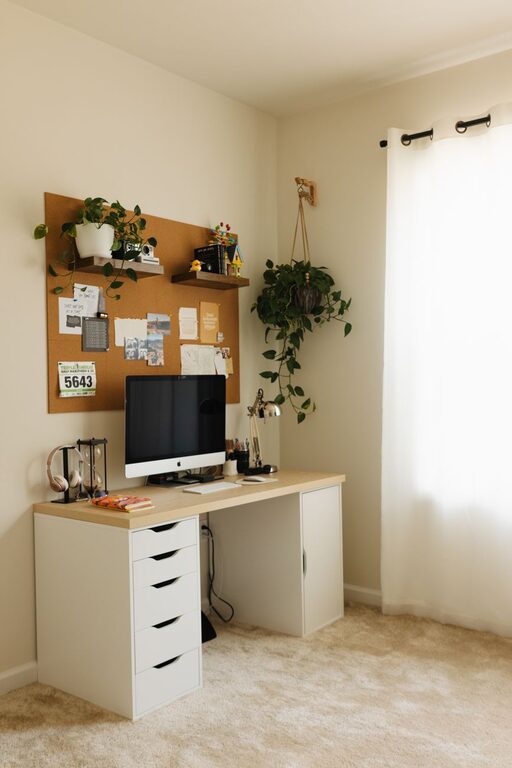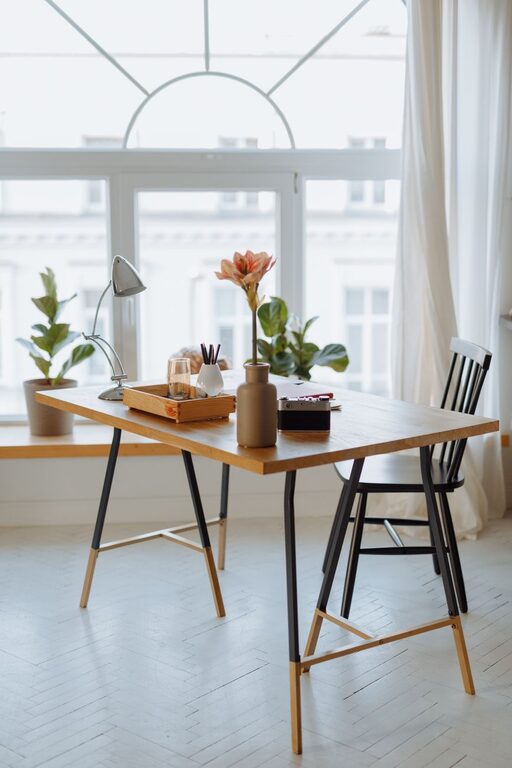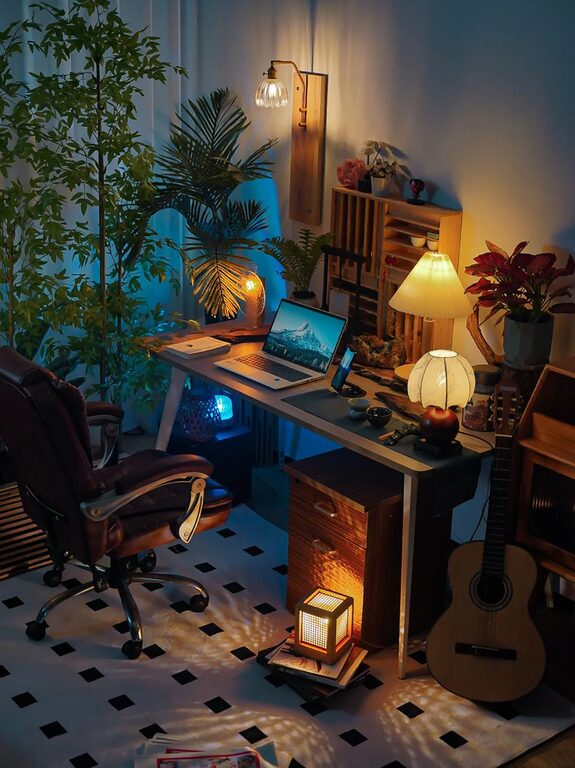

Creating a productive home office environment is essential for anyone working or studying from home. With the right setup, you can improve focus, minimize distractions, and increase your efficiency throughout the day. Whether you have a dedicated room or just a small corner, these tips will help you design a workspace that supports your best work.
1. Choose the Right Location
Start by selecting a quiet area with minimal foot traffic and distractions. Ideally, pick a spot with natural light to help keep your energy up and reduce eye strain. If possible, set up your office away from noisy areas like the kitchen or living room. Having a specific place to work signals your brain that it’s time to focus.
2. Invest in Ergonomic Furniture
Comfort is key when spending hours at a desk. An ergonomic chair that supports your lower back and allows your feet to rest flat on the floor will reduce fatigue and prevent discomfort. Pair that with a desk at the right height so your arms rest comfortably when typing. Adjustable chairs and desks are great to customize your workspace.
3. Optimize Lighting
Good lighting improves mood and reduces eye strain. Natural light is the best, but when that’s not possible, use a combination of overhead lights and task lighting. Position your desk near a window for daylight, and add a desk lamp with adjustable brightness for focused work. Avoid glare on your screen by angling your monitor or using blinds.
4. Organize and Declutter
A tidy workspace fosters a clear mind. Keep only essential items on your desk to avoid distractions. Use shelves, file organizers, and drawers to store papers and supplies. Label storage containers and create a filing system to help stay organized. A clutter-free space can increase your focus and reduce stress.
5. Use Technology Wisely
Equip your home office with reliable technology that suits your work needs. A fast internet connection, good quality headset, and an ergonomic keyboard and mouse can make a big difference. Use apps for task management, note-taking, and communication to streamline your day. Set boundaries with technology to avoid constant notifications and distractions.
6. Add Personal Touches
Make your workspace inviting by adding elements that reflect your personality. Plants can improve air quality and provide a calming influence. Artwork, photos, or inspirational quotes can motivate you. Just be careful not to overdo it—too many decorations can become distracting.
7. Set a Routine and Boundaries
One challenge of working from home is separating work life and personal life. Establish set work hours to maintain structure. Communicate your schedule with family or housemates to minimize interruptions. Taking regular breaks and creating a clear start and end time will help maintain a healthy work-life balance.
8. Consider Sound Control
If your home is noisy, consider noise-cancelling headphones or white noise machines to block distractions. Playing soft background music or nature sounds can also improve concentration. If possible, add rugs, curtains, and cushions to absorb sound and reduce echo in the room.
9. Keep Supplies Handy
Having all the supplies you need within reach saves time and prevents interruptions. Stock up on essentials like pens, notebooks, chargers, and printer paper. Use desk organizers or small containers to keep these items neat and accessible.
10. Prioritize Air Quality and Temperature
A comfortable temperature and fresh air contribute to better focus. If your home office doesn’t have good ventilation, consider a fan or air purifier. Keep the room at a comfortable temperature—too hot or too cold can reduce productivity.
—
Creating a productive home office environment takes some planning, but the benefits in your work quality and wellbeing are worth it. By focusing on comfort, organization, lighting, and minimizing distractions, you can build a workspace that helps you stay motivated and efficient every day.
Remember, small changes can make a big difference. Start with one or two tips and adapt your office setup to what works best for you. Happy working!