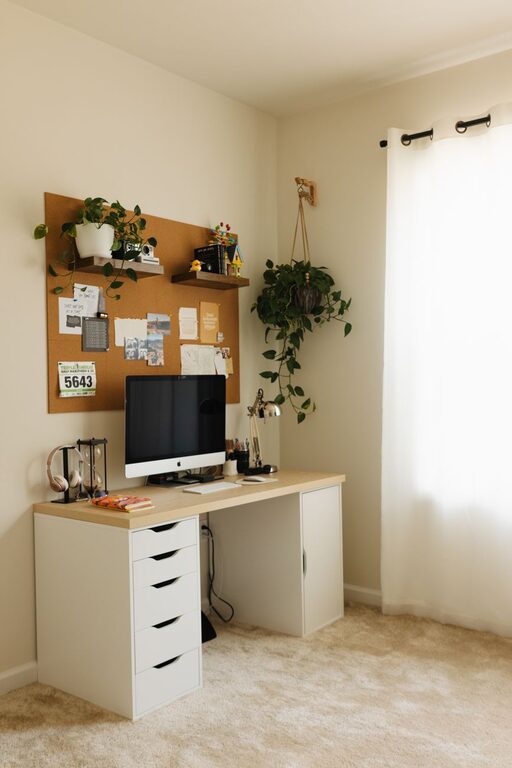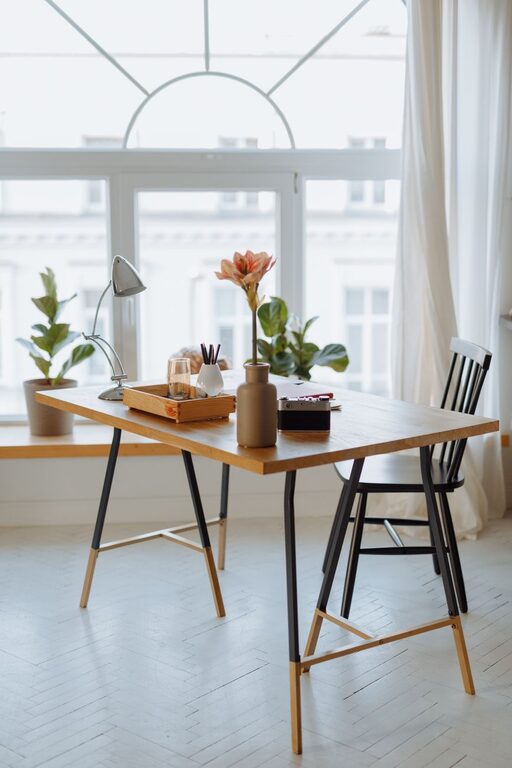

Creating a cozy and productive home workspace is more important than ever as many people continue to work remotely or spend more time on personal projects at home. A well-designed workspace not only supports focus and efficiency but also makes work feel enjoyable and less stressful. Whether you have a dedicated room or just a small corner, you can transform your area into a space that inspires both comfort and productivity.
In this post, we’ll explore practical tips on how to set up a home workspace that balances coziness and functionality. From choosing the right furniture to organizing your tools and adding personal touches, these guidelines will help you create a work environment you look forward to every day.
Understand Your Workspace Needs
Before you start arranging furniture or buying accessories, it’s essential to assess what you really need from your workspace.
– Identify your tasks: Do you primarily work on a computer, write by hand, or conduct video calls? Knowing this helps you prioritize your space requirements.
– Evaluate your space: Measure your available area. Is it a spare room, part of the living room, or a small desk in a bedroom? Understanding your space limitations will prevent overcrowding.
– Consider your work style: Are you someone who likes to spread out with multiple monitors, or do you prefer a minimalistic setup with just a laptop?
Taking a moment to understand these factors helps tailor your workspace to suit your daily routine and promotes better productivity.
Choose Comfortable, Ergonomic Furniture
Comfort is key to maintaining productivity for extended periods. Investing in ergonomic furniture supports good posture and reduces physical strain.
– Desk: Choose a desk with enough surface area to hold your essential items without clutter. Adjustable-height desks are ideal if you like to alternate between sitting and standing.
– Chair: Invest in a chair that offers lumbar support and is adjustable to your height. Comfort reduces back pain and fatigue.
– Footrest and accessories: Consider a footrest if your feet don’t touch the floor comfortably. Use keyboard and mouse pads with wrist support to avoid strain.
Comfortable furniture makes work sessions more enjoyable and sustainable throughout the day.
Optimize Lighting
Good lighting can significantly impact your comfort and focus.
– Natural light: Position your desk near a window to benefit from natural light, which can boost mood and alertness.
– Task lighting: Use a desk lamp with adjustable brightness for focused work, especially in the evening.
– Avoid glare: Arrange screens and lights to prevent reflections and eye strain.
Proper lighting reduces the risk of headaches and tired eyes, helping you stay productive.
Declutter and Organize
A tidy workspace reduces distractions and makes it easier to find what you need.
– Use storage solutions: Shelves, drawers, and organizers help keep documents and supplies in order.
– Keep essentials accessible: Arrange items you frequently use within arm’s reach.
– Implement a filing system: Digital or physical filing keeps your documents orderly and easy to retrieve.
– Daily clean-up: Spend a few minutes at the end of each day clearing your desk.
An organized space supports mental clarity and efficient work habits.
Personalize Your Workspace
Adding personal touches can create a cozy, inviting atmosphere while keeping you motivated.
– Add plants: Greenery can improve air quality and add a calming natural element to your desk.
– Incorporate colors: Use colors that inspire you—whether it’s through artwork, accessories, or wall paint.
– Display meaningful items: Photos, quotes, or keepsakes can boost morale and create a sense of comfort.
– Use textile elements: Soft cushions or a throw blanket can make your chair and space more welcoming.
Personalizing your workspace balances professionalism with relaxation and helps you feel at ease.
Minimize Distractions
To maintain focus, it’s important to control your environment.
– Noise management: Use noise-cancelling headphones or soft background music if you’re in a noisy space.
– Separate work and home life: Avoid placing your workspace in high-traffic or leisure areas if possible.
– Set boundaries: Let family or roommates know your schedule to minimize interruptions.
A distraction-free environment enhances your ability to concentrate.
Establish a Routine
Finally, building a daily work routine encourages productivity and work-life balance.
– Set work hours: Define clear start and end times to maintain structure.
– Take breaks: Step away from your desk regularly to refresh your mind and body.
– Maintain tidiness: Keep your workspace organized throughout the day.
A routine helps you develop positive habits that reinforce the benefits of your cozy, productive workspace.
—
Creating a home workspace that is both cozy and productive requires a combination of thoughtful planning and personal touches. By understanding your needs, choosing comfortable furniture, optimizing lighting, staying organized, minimizing distractions, and establishing a routine, you’ll create an environment that supports your best work.
Remember, your workspace should evolve as your needs change, so feel free to adjust your setup over time. With these tips, you’re well on your way to building a home workspace that helps you work smarter and feel comfortable all day long.